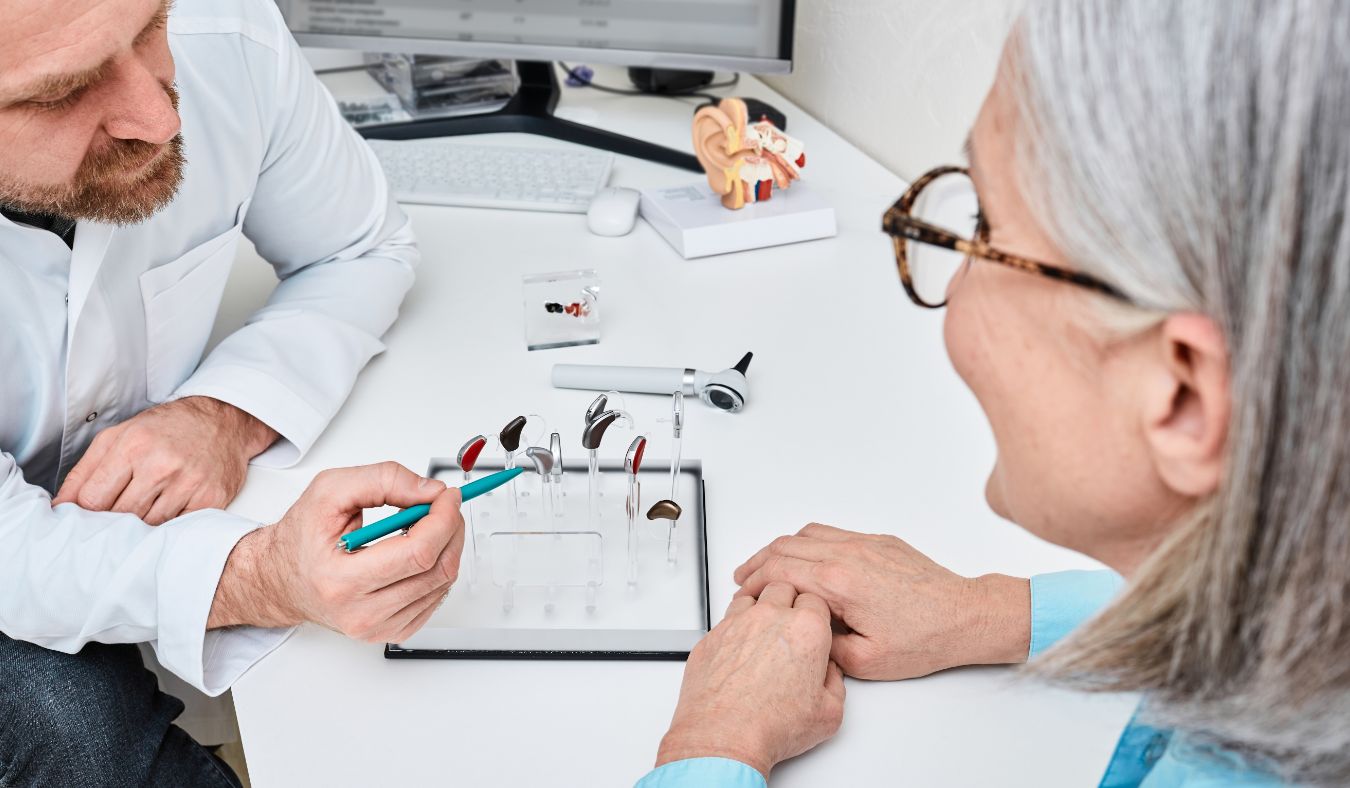
Traveling with hearing aids takes a little more planning than most people expect the first time they do it. You are already figuring out a new place, adjusting to a different daily rhythm and your hearing aids are along for all of it.

When the climate at your destination is significantly more humid than what you are used to, that adds a layer most people do not think about until they notice something feels off.

A device that performed consistently at home can start behaving differently when the air itself changes, and being somewhere unfamiliar when that happens makes it harder to know what to do next.

South Florida is a good example of what that kind of climate actually demands from your devices. The humidity here is not seasonal. It is consistent, and it affects hearing aids in ways that build up gradually rather than all at once.

Sound quality can shift, batteries may not last as long as usual and small components that handle moisture just fine in a drier climate start to feel the difference. A little preparation ahead of time can help you avoid dealing with unexpected issues while you are away.

The Impact of Humidity on Your Hearing Aids

Living in the heat of Palm Beach Gardens means dealing with air you can practically wear. While we might be used to the “heavy air” of a Florida summer, your hearing aids feel the strain much differently than we do.

When moisture levels climb, tiny droplets of water vapor find their way into the delicate internal parts of your devices. This makes the components work harder to produce the same sound, which can lead to poor performance when you need your devices most.

Being proactive helps you avoid that annoying moment when your device cuts out during a busy afternoon. Look out for these signs that moisture is building up inside your devices:

  • Muffled or distorted sound that makes voices hard to understand
  • Sudden, unexpected changes in volume levels
  • A frequent need to change your batteries
  • Visible condensation inside the battery compartment
  • Small droplets forming on the outer shell of the device

Choosing the Best Storage for Tropical Travel

When you are traveling through warm or damp climates, how you store your hearing aids is just as important as how you wear them. Most people think of a storage case as a way to prevent the devices from getting crushed in a bag or dropped on a hard floor.

A hard-shell case can protect against bumps and drops, but it may not keep out humid air. In hot, humid environments, you need storage that seals tightly to keep the inside dry and working properly.

It helps to think about your storage in two different ways: physical defense and moisture control. A hard case is your best bet for those busy transit days when you might be tossing a carry-on into an overhead bin or rushing through an airport.

Once you arrive in a humid place, a waterproof pouch or dehumidifying container is best. These sealed options help keep moisture from rain or humid air from getting into your technology while it’s not in use.

Using a Dehumidifier for Overnight Care

When you spend your day out in the heat and humidity, your hearing aids naturally pick up a lot of dampness from the air and your skin. This is why a dehumidifier is the most important tool in your travel kit when visiting a tropical climate.

Placing your devices in a drying jar or an electronic dehumidifier while you sleep gives them several hours to fully dry out, which keeps the sound clear and prevents the internal parts from wearing out too soon.

A regular overnight routine acts as a reset button for your technology. Without this drying period, the moisture from Monday carries over into Tuesday, and eventually the buildup can cause the sound to become muffled or the battery to fail.

It only takes a moment to open the battery doors, wipe away any sweat with a soft cloth and place the devices inside their drying container before you go to bed.

Handling Wet Hearing Aids After Rain

Sudden Palm Beach rain showers can catch anyone off guard, and a quick downpour often leaves your hearing aids more than just a little damp. When your devices are exposed to significant moisture, acting fast is the best way to prevent long-term issues.

Taking these specific steps right away can save you a lot of trouble and keep your technology in good working order:

  • Remove the devices and turn them off immediately
  • Take out the batteries and leave the battery doors open to allow air flow
  • Gently dry the outside with a soft and dry cloth
  • Place your hearing aids in a drying kit or dehumidifier overnight before using them again

A little bit of patience ensures that the internal parts are completely dry and ready for your next outing.

Protecting Your Devices from Sunscreen and Spray

When you are enjoying the outdoors, humidity is not the only thing that can interfere with your hearing. Many travelers forget that common vacation staples like sunscreen, bug spray and even the salty sea air can be just as tough on their devices.

Aerosols and oily lotions can easily find their way into the small openings of your devices, creating a sticky residue that is hard to clean. If these particles build up over time, they can clog the ports and prevent you from hearing clearly in a crowd.

It is a good idea to plan your outdoor routine so that your hearing aids stay away from these sprays and creams. You should apply your sunscreen or bug spray well before you put your hearing aids in for the day.

Taking a moment to let the lotion dry or washing your hands after applying a spray makes a big difference in keeping your gear clean.

Managing Battery Life and Your Travel Kit

Intense heat does more than just make you reach for a cold drink; it actually changes how your hearing aid batteries function. High temperatures speed up reactions inside the power cells, causing them to drain faster than they would in a cooler climate.

When you combine that heat with high humidity, you might find yourself needing to swap out batteries or reach for your charger much earlier in the day than usual.

To stay ahead of the heat, it helps to have a dedicated travel kit ready for every outing. Since your power might drop without warning, having the right supplies on hand keeps you from struggling to hear clearly in a crowd.

You should keep your spare batteries or charging case in a cool and shaded spot rather than leaving them in a hot car or direct sunlight.

Your travel kit should include these essential items for the best results:

  • Extra zinc-air batteries or your portable charging dock
  • A travel-sized dehumidifier or drying jar to remove moisture overnight
  • A soft and dry cloth to wipe away sweat or salt air residue
  • A cleaning brush or tool to keep the microphone ports clear of debris
  • A sturdy and waterproof case for safe storage during transit

Finding Help While You Are Away

Even with the best preparation, you might run into a situation where your hearing aids need professional attention while you are out of town.

If the volume drops suddenly or something breaks and you cannot fix it, local specialists can often help with repairs, cleaning or replacement parts. Getting help quickly can prevent bigger problems, but keep in mind that service options may vary by location and brand.

You should start by reaching out to your own audiologist back home to see if they have any trusted recommendations in the area you are visiting.

If your audiologist does not have a contact, you can search on your phone to find nearby clinics with good ratings and reviews. Looking at these can help you see which places are used to assisting travelers and offer the right support for your needs.

You can also talk to hotel staff or local business owners to see if they have a personal recommendation for a nearby audiologist. Often, the people who live and work in the community have the best insight into which clinics offer the most reliable care.

What to Expect at Your Appointment

Once you find a clinic, it is helpful to call ahead and explain the problem before you drop by. This allows the staff to confirm they have the right parts for your specific device and can get you back to hearing clearly in a crowd as quickly as possible.

Being proactive about finding help means a technical glitch does not have to be the end of your vacation. A little bit of research ensures that you can find a friendly face to help you get your hearing aids back in working order so you can get back to enjoying your trip.

Plan Early to Enjoy Your Upcoming Trip

Whether you are passing through South Florida or you have made it home, the humidity here is not something your hearing aids just adjust to on their own. A little attention to how you care for your devices goes a long way, and most of what helps is simple enough to work into a routine without much effort.

If you have questions about how to protect your devices in this climate or if something has not been sounding right since you arrived, Audiology & Hearing Aids of the Palm Beaches is here to help.

Give us a call at (561) 203-8628 and we will figure out what your hearing aids need to keep up with wherever life takes you.